
Common Septic System Problems and How to Fix Them
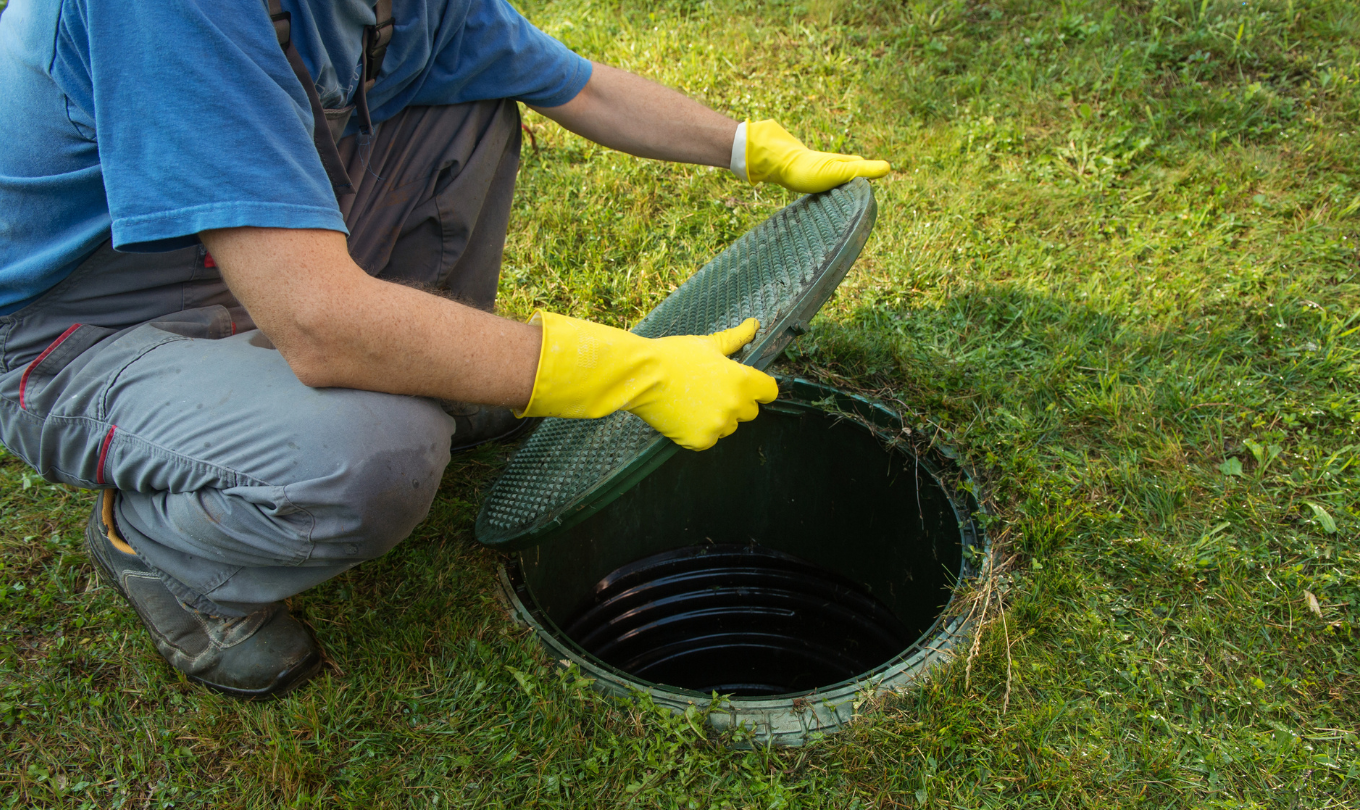
As homeowners, we depend on septic systems to manage household wastewater. But like any essential system, septic systems can encounter issues that, if left unchecked, can lead to expensive repairs and uncomfortable situations.
Common septic system problems, such as slow drainage, foul odors, and even system backups, can often be avoided with proper maintenance and early detection. In this blog, we will dive into these problems, explore ways to troubleshoot septic systems, and discuss effective methods for fixing septic issues before they escalate. By staying proactive, we can ensure our septic systems continue running smoothly for years to come.
Understanding Common Septic System Problems
A septic system is responsible for breaking down and filtering waste. Over time, wear and tear or improper care can cause problems. The most common issues tend to arise from clogs, improper use, or neglecting regular maintenance.
Slow Drainage: A Sign of Trouble in Your Septic System
Slow drainage is one of the first signs that something is wrong with your septic system. When water starts to drain slowly from sinks, bathtubs, or toilets, it indicates that the flow of wastewater is being obstructed somewhere in the system.
Common causes of slow drainage include:
- Clogged pipes: Debris such as grease, soap scum, and toilet paper can build up and block pipes.
- Full septic tank: A septic tank that hasn't been pumped in a while may fill up with waste, preventing water from draining properly.
- Leach field issues: If the soil in the leach field becomes clogged, it can't absorb water properly, causing backups.
To troubleshoot septic system slow drainage, the first step is checking if the septic tank is full. If it’s been a while since it was last pumped, it may be time to schedule a pumping service. If slow drainage persists, it might be necessary to inspect the pipes for clogs or check the leach field for drainage issues.
Foul Odors: A Clear Indicator of Septic System Problems
Foul odors emanating from drains, toilets, or the yard are a strong indication that something is wrong with your septic system. Typically, these odors point to the presence of sewage gases or waste that isn’t being properly processed or filtered.
The possible causes of foul odors include:
- Septic tank overflow: If the tank is full or has failed, waste can leak, causing odors.
- Clogged vents: Blockages in vent pipes can prevent gases from escaping, resulting in unpleasant smells inside and outside the home.
- Backed-up leach field: A leach field that isn’t functioning properly can allow wastewater to pool, causing a foul odor.
To troubleshoot septic system odors, start by inspecting the vent pipes for obstructions. If the septic tank is full, have it pumped immediately. If odors persist, it might be necessary to investigate the leach field and look for signs of water pooling or backups.
Backups: A Major Sign of Septic System Failure
Septic system backups are one of the most alarming issues homeowners can face. When wastewater backs up into sinks, toilets, or even the yard, it signals a serious malfunction in the septic system.
Key causes of septic system backups include:
- Clogged or broken pipes: Obstructions in the pipes leading from the house to the septic tank can cause wastewater to back up into the home.
- Full septic tank: A tank that hasn’t been pumped in years can overflow, causing a backup.
- Failed drain field: If the leach field is unable to absorb the wastewater, it can back up into the system, resulting in sewage overflow.
Fixing septic system backups starts with locating the source of the blockage. If the septic tank is the culprit, a pumping service is needed. However, if the problem is in the pipes or leach field, professional inspection and repair will be necessary.
Troubleshooting Septic System Problems: The Key Steps
When faced with septic system issues, a systematic troubleshooting approach can help pinpoint the problem and prevent further damage.
- Inspect the septic tank: If you’re noticing any of the issues mentioned, start by checking the septic tank. If it hasn’t been pumped in the last 3 to 5 years, it could be full.
- Check for clogs: Examine the pipes for any obstructions that might be preventing proper drainage. This may involve snaking or hydro-jetting the pipes to remove blockages.
- Examine the leach field: Look for wet spots or foul smells around the leach field. If you notice these signs, the field may be overloaded or malfunctioning.
Fixing Septic Issues: Preventative Measures and Solutions
Addressing septic system problems early can save homeowners from expensive repairs and prevent health hazards. Here are some practical tips for fixing septic issues and maintaining a healthy system:
Regular Septic Tank Maintenance
One of the best ways to avoid common septic system problems is to schedule regular septic tank pumping. Depending on the size of your tank and household usage, septic tanks should be pumped every 3 to 5 years. Regular pumping prevents overflows and backups, ensuring the system runs efficiently.
Be Mindful of What You Flush
To avoid clogs and slow drainage, be mindful of what goes down your drains. Avoid flushing non-biodegradable items like wipes, feminine hygiene products, or grease. These items can quickly clog the pipes and disrupt the system’s functionality.
Watch for Leach Field Issues
Leach fields are crucial in filtering wastewater before it returns to the groundwater. Overloading or compacting the soil in the leach field can cause significant damage. To protect the field, avoid parking or driving over the area, and refrain from planting trees or shrubs nearby, as their roots can damage the pipes.
Call a Professional When Needed
While homeowners can troubleshoot some septic system issues, certain problems require professional attention. If you’re unable to identify or fix the issue, don’t hesitate to call a septic professional. Regular inspections can also help identify potential problems before they become major issues.
Keeping Your Septic System in Top Shape
By staying aware of common septic system problems and addressing them promptly, you can prevent costly repairs and disruptions to your home. Whether it’s troubleshooting septic system issues like slow drainage, foul odors, or backups, or simply maintaining the system with regular inspections and pumping, taking proactive steps is the key to longevity. For any concerns you can’t address yourself, it’s always best to contact a professional to ensure your system stays in top shape. At Forrest Excavation, we specialize in troubleshooting septic system issues and providing reliable solutions to keep your system running smoothly.
Feel free to contact us at forrestexcavationinme@gmail.com or call us at 207-441-4284 for all your septic system needs
Frequently Asked Questions
1. What are the most common septic system problems homeowners face?
Some of the most common septic system problems include slow drainage, foul odors, and system backups. These issues often stem from a full septic tank, clogged pipes, or problems with the leach field. Identifying these problems early can prevent major disruptions and costly repairs.
2. How do I start troubleshooting my septic system when I notice a problem?
When troubleshooting your septic system, start by checking the septic tank to see if it’s full. If it hasn’t been pumped in several years, it may be causing backups or slow drainage. You should also inspect the pipes for clogs and the leach field for signs of failure. If the problem persists, contact a professional to ensure your system is functioning correctly.
3. Can I fix septic system issues myself, or should I hire a professional?
While some minor septic system issues, like clogged pipes, can be addressed by homeowners, it’s always best to consult a professional for more complex problems, such as leach field failures or septic tank overflows. Professionals can assess the situation accurately and provide effective solutions to avoid further damage.
4. How often should I have my septic tank pumped to avoid septic system problems?
It’s recommended to pump your septic tank every 3 to 5 years, depending on your household size and usage. Regular pumping helps prevent septic system problems like slow drainage, odors, and backups, ensuring that your system runs smoothly without requiring expensive repairs.
5. What are the signs that I need septic system repairs?
Signs that you may need septic system repairs include slow drainage, foul smells, and backups in the plumbing. If you notice these issues, it's important to act quickly and have the system inspected to determine if repairs are needed before the problem escalates